
A new operator is to take over the majority of bus services in Wirral later this year in the biggest shake-up since the mid 1980s.
Go-Ahead has been appointed as part of a re-regulation of franchised bus services across Liverpool City Region.
The first phase will begin in Wirral in autumn 2026, together with St Helens, before rolling out across the rest of the city region by the end of 2027.
Locally, it will affect the 437 cross-river service to Liverpool, the 407 to New Ferry and the 81 to Arrowe Park Hospital.
The 22 service to Chester, operated by Happy Al’s, is not included because it is commissioned by Cheshire West and Chester Council.
Transport officials say the aim is to deliver a more reliable network, that is better connected and built around the needs of passengers.
Councillor Paula Basnett, Leader of Wirral Council, welcomed the changes: “The introduction of bus franchising is a landmark moment for Wirral and a major step forward for our residents, businesses and visitors.
“Every single day, buses connect tens of thousands of our residents with jobs, education, healthcare and each other, so it’s essential that services are reliable, affordable and designed around how people actually travel.
“Bringing buses back under public control marks a significant change after decades in which local areas had little influence over routes, timetables or fares. Franchising puts passengers first and gives us the ability to shape a network that better reflects local needs.
“With Wirral among the first areas to see this new system introduced, residents will benefit from stronger connections to hospitals, rail stations and services that support both our local economy and our ambitions for a cleaner, more sustainable transport system.”
Passengers are being promised more frequent and later running buses on key routes, an increase in the number of weekend services, and routes extended to provide better direct links to hospitals and rail stations.
Steve Rotheram, Mayor of the Liverpool City Region said: “For hundreds of thousands of people across our region, buses aren’t a ‘nice to have’ – they’re a lifeline. They’re how people get to work, to school, to hospital appointments, to see family and friends. But for too long, too many people have been let down by a system that put shareholders before passengers.
“For more than 40 years, buses have been run without proper accountability – services turning up late or not turning up at all; fares rising year after year; routes being cut with no thought for the communities left isolated as a result. People have felt they had no voice and no control. I understand that frustration – and it must change.
“That’s why we are taking back control. Franchising gives us the power to hold operators to account, to shape routes, fares and timetables around the needs of our area and its citizens.”
Greater local control of the bus network is a key part of the mayor’s wider vision for what he describes as a “fully integrated transport system that is quicker, simpler, and more affordable”.
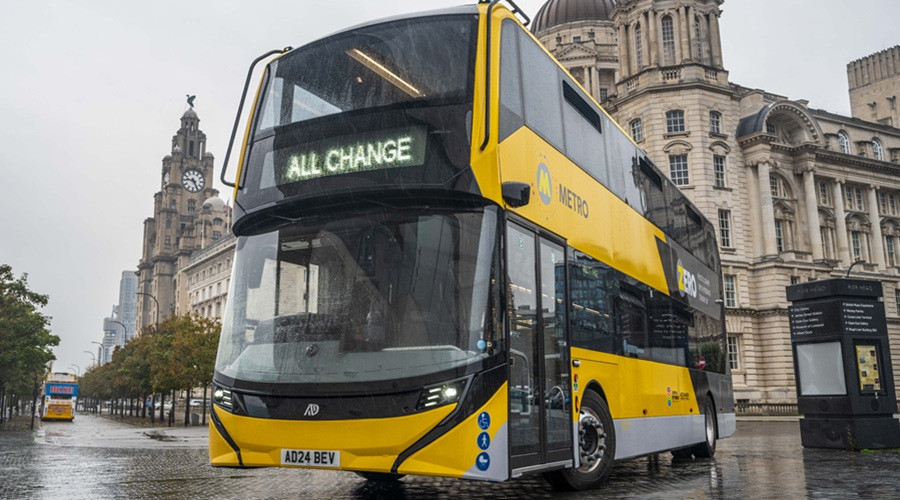
Hundreds of millions of pounds are being invested in new buses, depots and infrastructure upgrades to support the transition to a franchised network. This includes the purchase of more than 100 new all-electric double-decker buses, as the city region builds on its commitment to becoming net zero carbon by 2035.
Accountability will be at the heart of all new operator contracts, with customer-focused targets for punctuality, reliability and bus cleanliness built in from day one.
To support this, the Liverpool City Region Combined Authority is investing further in its integrated transport contact centre and delivering a new set of enhanced digital tools. These will include improved online ticket purchasing and journey‑planning services, offering simplified fares and real‑time travel information.
The move follows the introduction of new Merseyrail trains and the building of the first new Mersey Ferry in more than 60 years.